How New Brunswick's housing crisis is affecting mental health
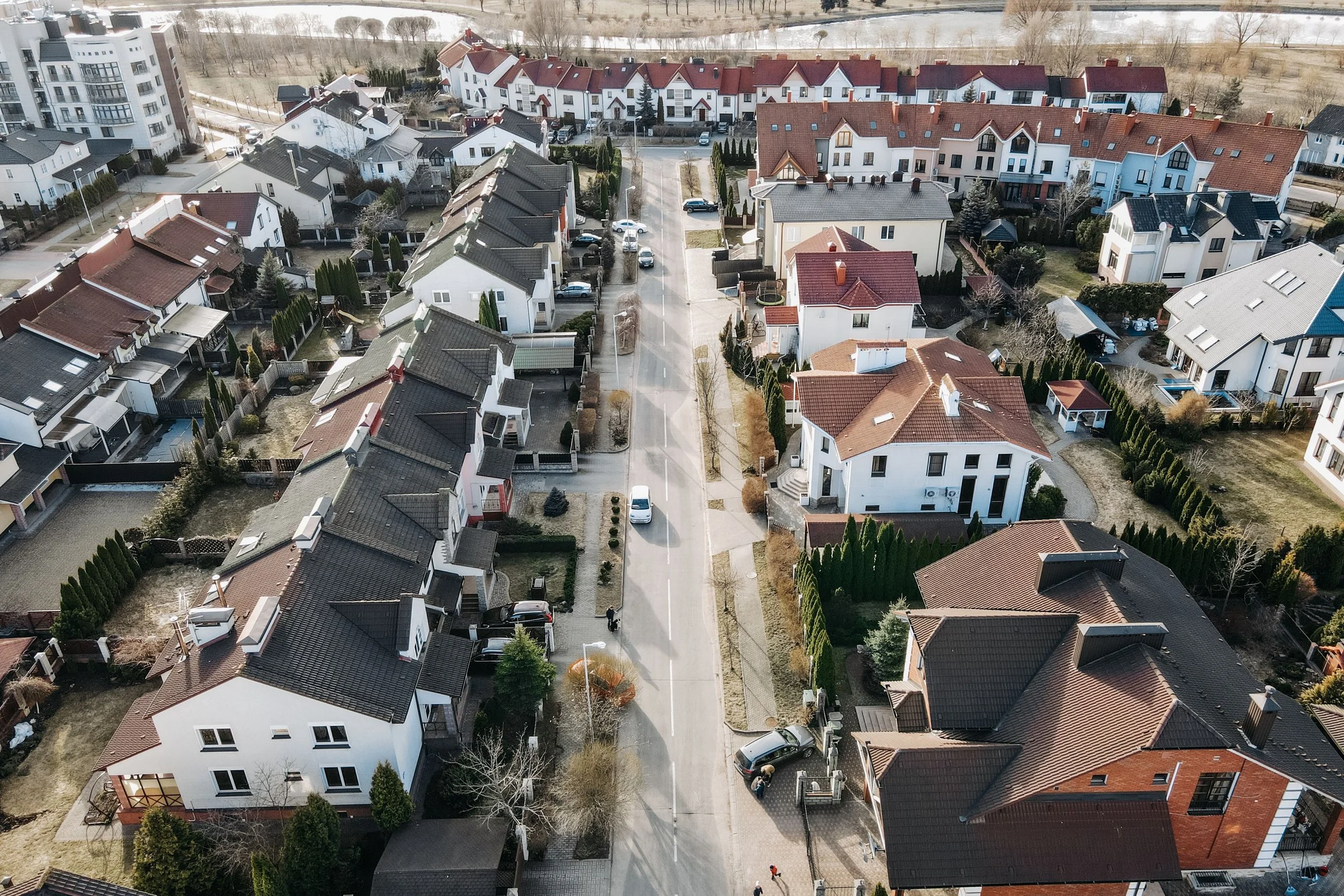
If it feels like everyone in New Brunswick is talking about housing these days, it's because housing has become one of the biggest challenges facing our communities. Rents have soared. Affordable apartments are harder to find. More adults are living with their parents longer than expected. Families are sharing homes to make ends meet, while others are moving between temporary housing or struggling to keep up with rising costs.
Most of these conversations focus on the financial impact, but there's another side to the housing crisis that often gets overlooked: its impact on our mental health.
At Just Us, a mental health charity in New Brunswick offering free and low-cost counselling, we see this connection every day.
When housing feels uncertain, everything else does too
Having a safe, stable place to live is one of our most basic human needs. When that foundation feels shaky, it becomes much harder to manage the rest of life's challenges.
You may find yourself constantly worrying about whether you can afford next month's rent. You might lose sleep wondering if your landlord will increase the rent again or sell the property. You may feel embarrassed about living with roommates, extended family or your parents when you expected to be living independently by now.
These situations don't just create financial stress. They create emotional stress that can build day after day, affecting relationships, work, school and physical health. Over time, chronic stress can contribute to anxiety, depression, burnout, irritability and feelings of hopelessness.
The patterns we see in New Brunswick
When we look at the people who access our counselling services, a clear picture emerges. Many of our clients are:
unemployed or between jobs
receiving disability benefits
students trying to balance school and rising living costs
working part-time, contract or seasonal jobs
employed in lower-wage service industries
We also see many people living in situations that reflect today's affordability challenges:
overcrowded homes
shared accommodations with multiple adults
supportive or transitional housing
temporary living arrangements
remaining with parents well into adulthood because independent housing simply isn't affordable
None of these circumstances define a person, but they do increase the amount of stress someone carries every single day.
When you're spending most of your energy figuring out where you'll live, how you'll pay your bills or whether you'll have enough left for groceries, it's understandable that your mental health may begin to suffer.
It's not just "stress"
People often minimize what they're experiencing by saying they're "just stressed."
But housing insecurity can affect nearly every area of life. It becomes harder to concentrate at work or school. Relationships may become strained when multiple generations or unrelated adults share limited space. Parents often carry enormous guilt about the impact financial pressures have on their children. Young adults may feel they're falling behind their peers because home ownership or even renting alone feels completely out of reach.
These aren't personal failures. They're responses to very real circumstances affecting thousands of New Brunswickers.
Counselling can't lower your rent—but it can help
We know that counselling won't solve the housing shortage or reduce the cost of living. What it can do is help you cope with the emotional weight those challenges create. Counselling provides a place to process anxiety, uncertainty, grief, frustration and the constant pressure that comes with financial insecurity.
It can also help you:
develop healthier ways to manage chronic stress
improve communication with family or roommates
build resilience during difficult transitions
strengthen confidence while navigating employment or education
reduce feelings of isolation and shame
Sometimes having one supportive conversation can make the next difficult step feel more manageable.
Mental health strengthens communities
When people receive support for their mental health, the benefits extend far beyond the individual.
Better mental health can help someone stay employed or return to work. It can improve family relationships during periods of financial strain. It can help students remain in school despite significant stress. It can support people as they work toward more stable housing and greater independence.
In other words, investing in mental health also strengthens families, workplaces, neighbourhoods and communities. That's why mental health support is about much more than treating anxiety or depression. It's about helping people navigate life's biggest challenges with the support they deserve. And that’s what we do here at Just Us.
You don't have to wait until things get worse
One of the biggest misconceptions about counselling is that you need to be in crisis before reaching out. The truth is, many people benefit from talking with someone long before things reach that point.If you're feeling overwhelmed by housing costs, financial uncertainty or the stress of simply trying to make ends meet, you're not alone—and you don't have to carry it by yourself.
Across New Brunswick, many people are facing similar challenges. Reaching out for support isn't a sign that you're not coping. It's a way of taking care of yourself while navigating circumstances that would be difficult for anyone.
At Just Us, our team of Masters-level counselling interns provide free and low-cost counselling for individuals, couples, children and families across New Brunswick, with in-person services in Saint John and Fredericton as well as virtual appointments available throughout the province. The first three sessions are free, and after that they’re just $20 each.
Housing challenges may be part of your story, but they don't have to define it. With the right support, it's possible to find stability, build resilience and take the next step forward—one conversation at a time.
Book an appointment with one of our team members today.