
The Power of gratitude: How it can nurture your mental well-being
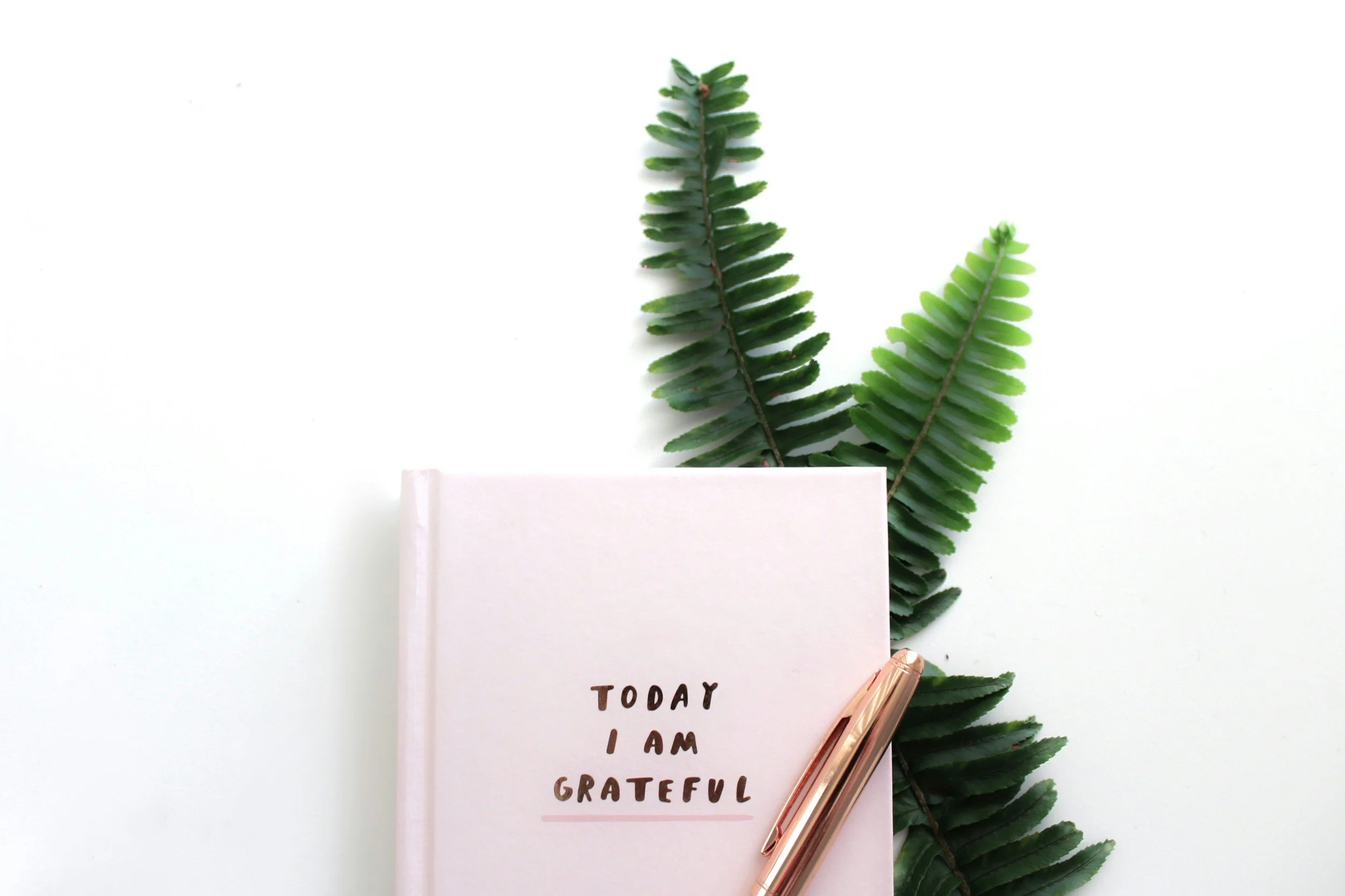
In a world that often feels fast-paced and uncertain, it can be easy to focus on what’s missing — the things we wish we had, the plans that didn’t work out or the struggles that weigh us down. But what if, even for a few moments each day, we chose to notice what is going right? That’s where gratitude comes in.
Gratitude isn’t about pretending that everything is perfect. It’s about recognizing and appreciating the good that exists — no matter how small — even in challenging times. When we shift our focus toward thankfulness, we give ourselves permission to experience more joy, connection and calm.
What is gratitude, really?
At its core, gratitude is the simple act of acknowledging the good things in life. It might be as small as appreciating the warmth of your morning coffee or as profound as feeling thankful for the people who love and support you. Gratitude doesn’t erase hardship, but it can help us find light within it.
Practicing gratitude can take many forms — keeping a journal, expressing thanks to others, pausing to reflect on positive moments or even silently recognizing something you’re grateful for before bed. What matters most is consistency, not perfection.
How gratitude supports mental health
Research has shown that gratitude has a powerful impact on emotional wellbeing. Regularly practicing gratitude can:
Reduce stress and anxiety. Focusing on positive experiences helps quiet the mind and reduces the intensity of negative thoughts. Gratitude can shift your perspective from what’s wrong to what’s within your control.
Improve mood and resilience. When life feels heavy, gratitude can serve as an anchor. It reminds us of our strengths, our relationships and the moments that make life meaningful, helping us bounce back more easily from difficult experiences.
Enhance relationships. Expressing appreciation builds connection. When we thank others for their time, kindness or simply for being themselves, we nurture trust and mutual respect. Gratitude has a way of deepening our sense of belonging.
Encourage mindfulness. Gratitude brings us into the present moment. By noticing what we appreciate right now, we become more grounded, less caught up in worries about the past or future.
Over time, these small shifts in mindset can make a real difference in our overall well-being.
Simple ways to practice gratitude every day
You don’t need a fancy journal or a perfect morning routine to start practicing gratitude. Here are a few ideas to try:
Keep a gratitude list: Each day, write down three things you’re grateful for. They can be as simple as “the sound of the rain,” “a text from a friend” or “having a safe place to rest.”
Say thank you — out loud: When someone helps you, offers support or just makes you smile, tell them how much it means to you.
Reflect before bed: Think about one good thing that happened that day. Ending your evening on a note of gratitude can help ease your mind and promote better sleep.
Practice gratitude in tough times: When life feels overwhelming, it can help to look for even the smallest sources of comfort, such as a supportive friend, a quiet walk or the strength you’ve shown in getting through hard days.
There’s no right or wrong way to be grateful. What matters is making space for it in your daily life.
A gentle reminder
Gratitude doesn’t mean forcing positivity or ignoring pain. Some days, being thankful might feel out of reach, and that’s okay. Healing takes time. On those days, it’s enough to simply notice that you’re trying, that you showed up, that you’re doing your best.
If you ever find yourself struggling, know that you don’t have to go through it alone. Just Us is here to listen and support you, offering free and low-cost mental health services to individuals across New Brunswick. Learn more about our services or book an appointment here.
And if you or someone you know is in crisis, you can reach out for immediate support by calling or texting 988, Canada’s national Suicide Crisis Helpline, available 24/7.